ON THE EDGE
SPRING 2022
LOIZA, PUERTO RICO
PROF. NATHAN WILLIAMS
INDIVIDUAL
Loiza is a town is on the north shore of Puerto Rico, originally settled by Yoruban people brought there by the Spanish. Today Loiza is only 30 minutes away from San Juan by car, but was only accessible by ferry until 1970. Since they were cut off, the people of Loiza have managed to preserve their African heritage though a guerrilla system of subtitle references to their traditions, but the community remains one of the most impoverished on the island.
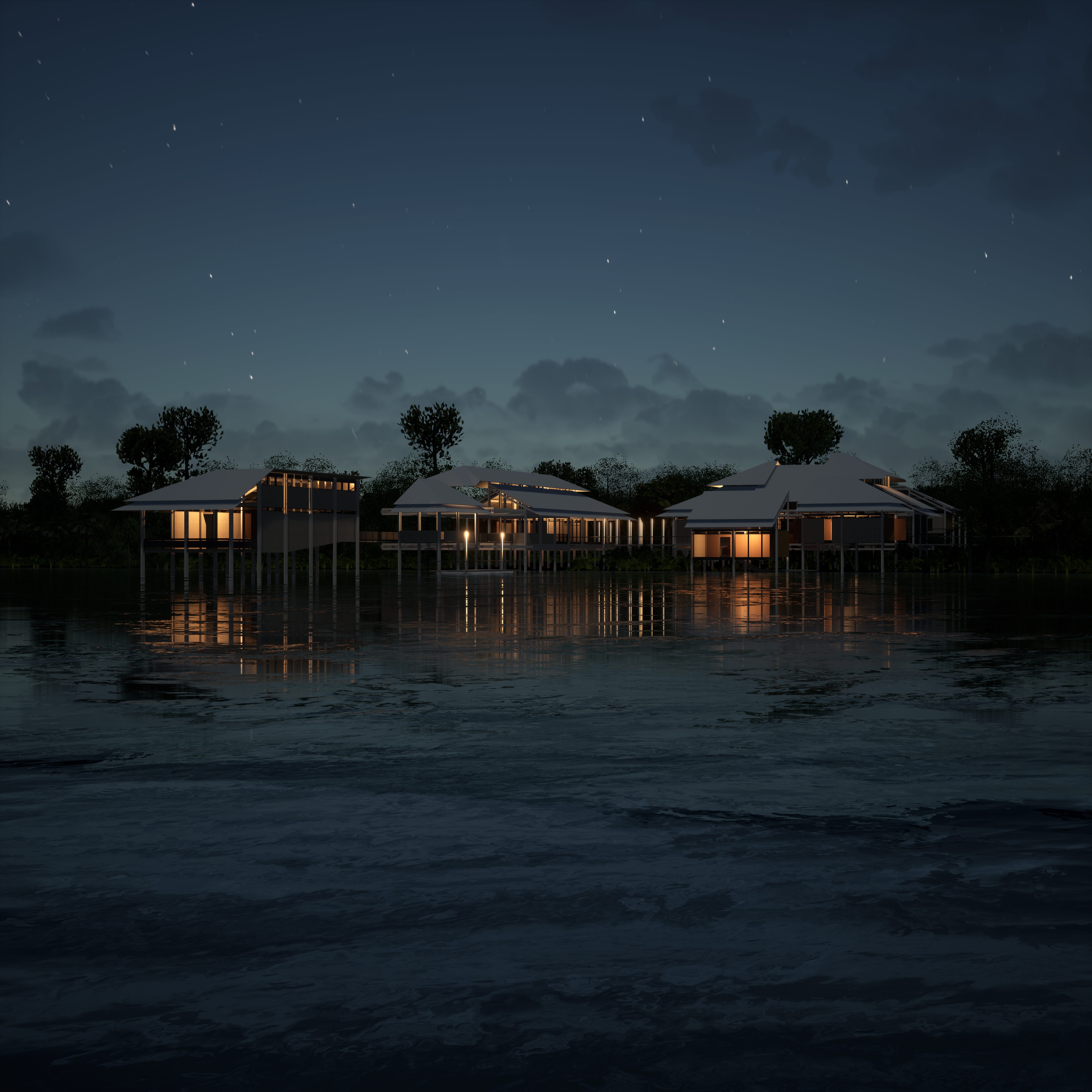
Located in a mangrove forest across the river from the town, this library, education center, & exhibition space seeks to covertly embody aspects of Loiza's heritage while specifically reacting to forces of the water and boundary unique to this site.
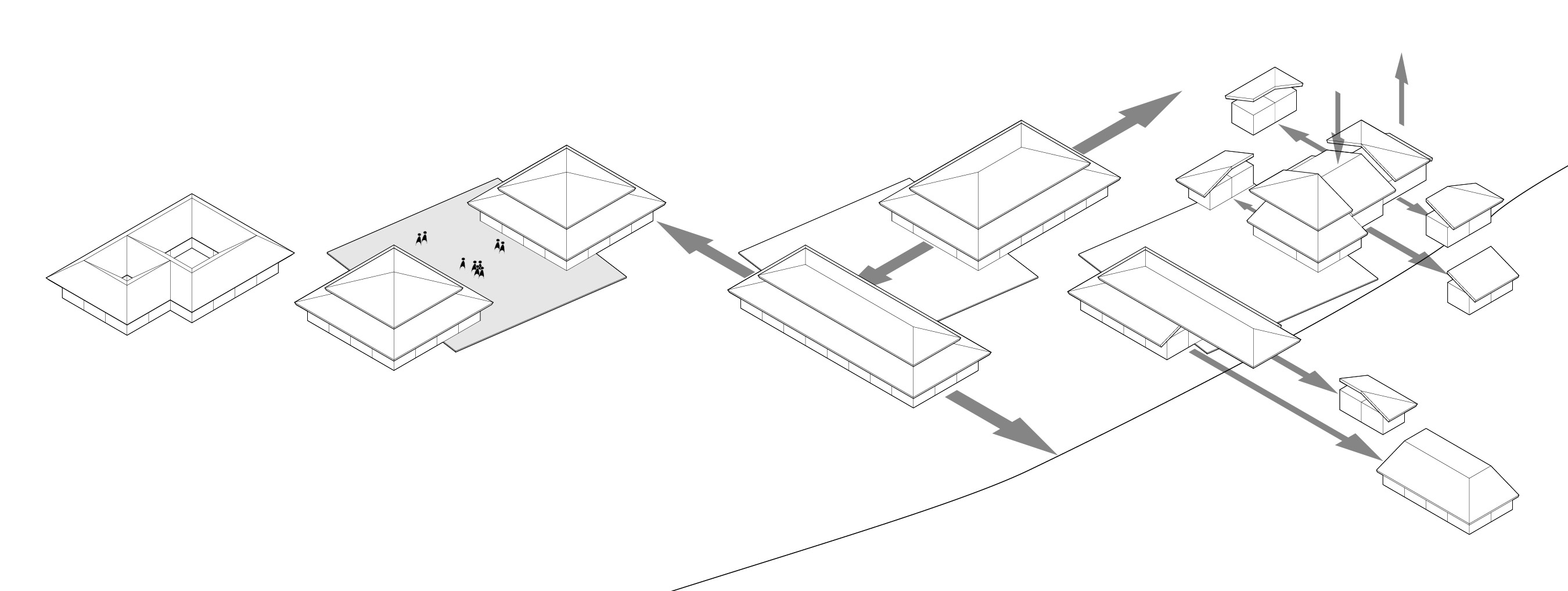
This proposal is inspired by a traditional Yoruban house, which has individual rooms branching off a central courtyard. As families expand, Yorubans add additional courtyards branching off the main one.
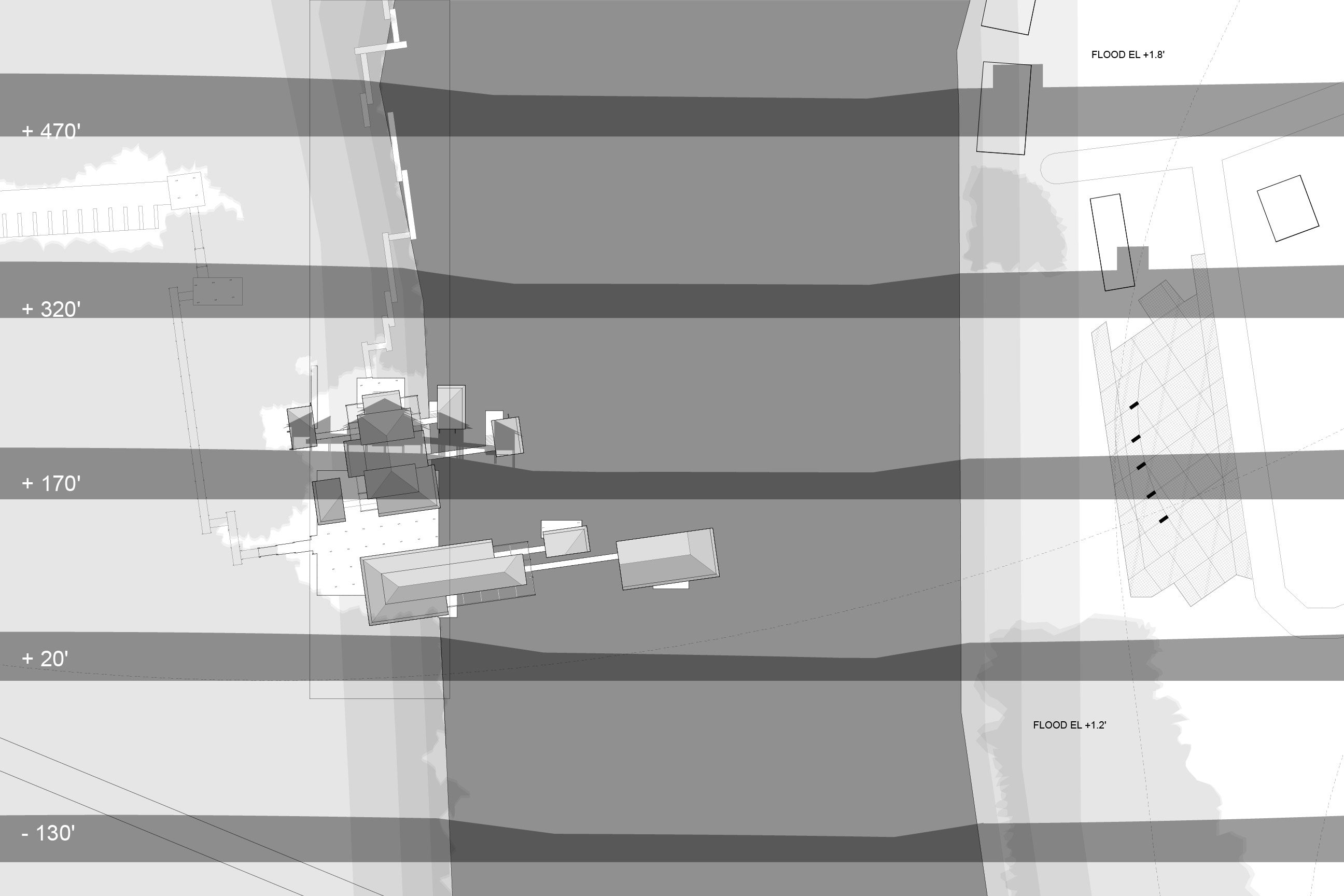
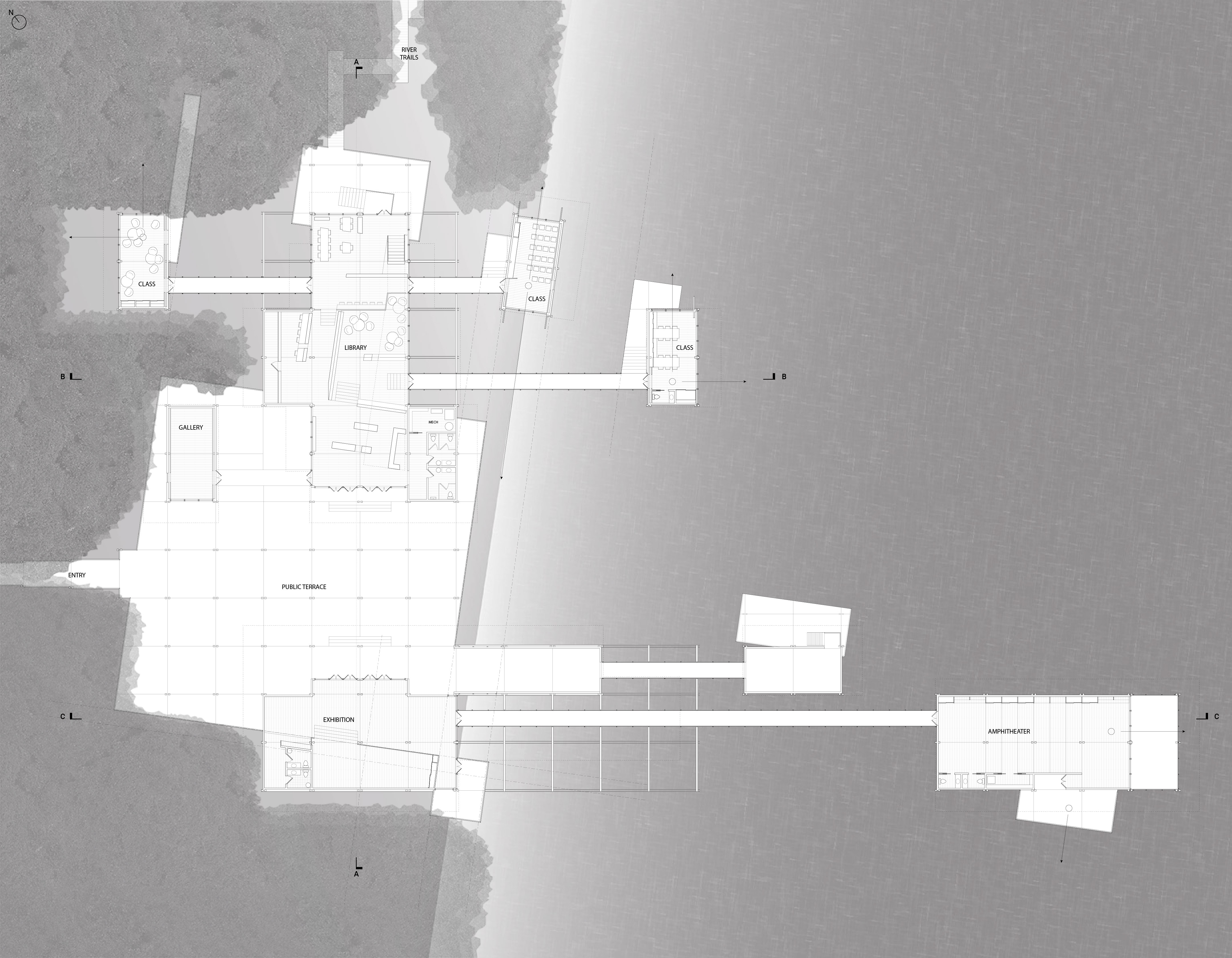
The center features two similarly sized volumes for students and the public, the two primary groups of building users. The two volumes are first separated to create a gathering space. In response to the changing water line and levels, different parts of the building are pushed and pulled in both plan and section, as if by the force of the water, opening up the volumes to nature to emphasize the center's connection to the site. The two-tiered roof of a Puerto Rican kiosko provides ventilation and shade while enclosing the central space in each volume.
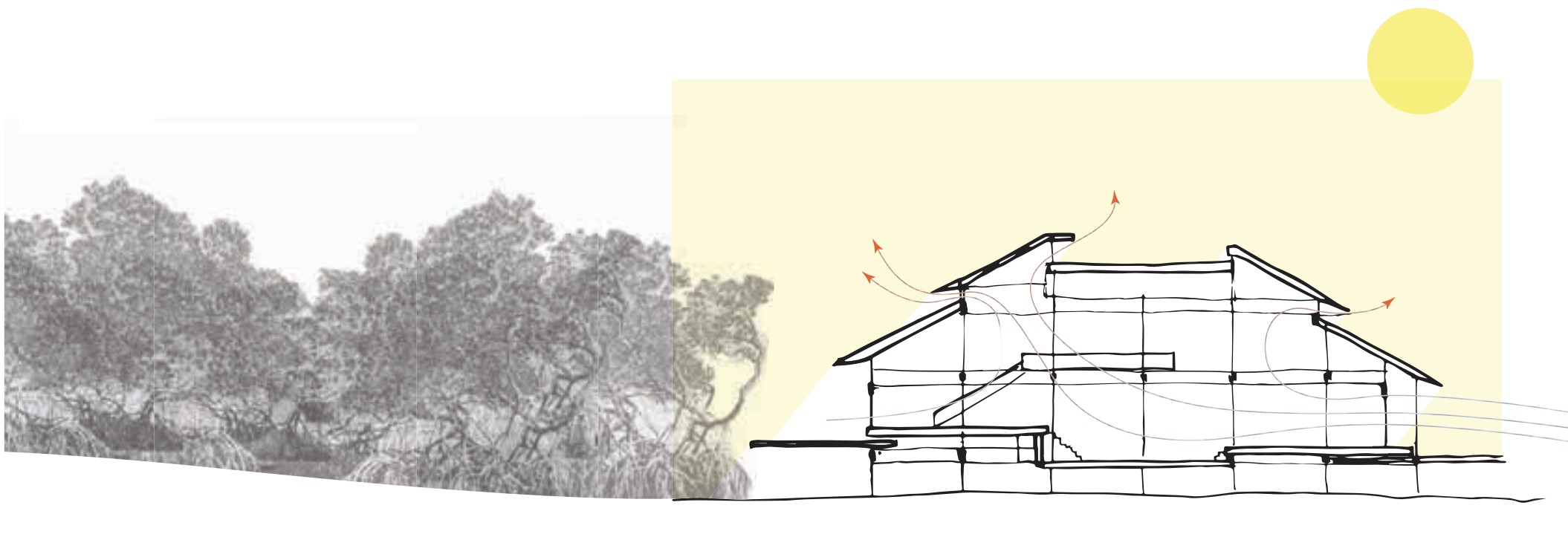
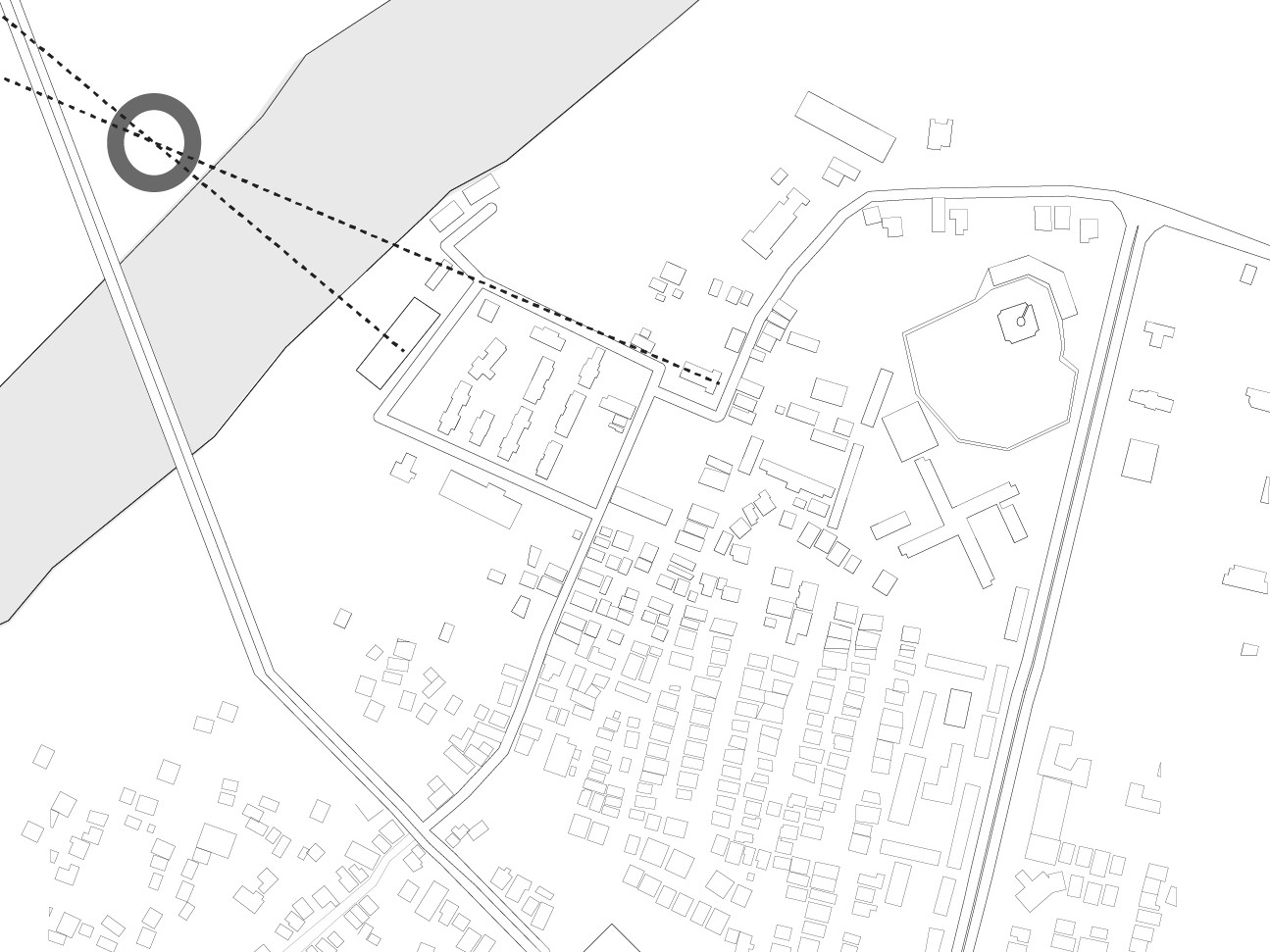
In the library building, each classroom is pulled away from the main volume to speak to the three layers of the site: forest, river, and edge. Each classroom is articulated slightly differently in response to its location. A library serves as a hub for the classrooms, a central space for students to come together, discuss & learn.
Oriented back to the park to visually connect the project to the town, the public wing houses flexible exhibition space and an amphitheater to showcase the community's culture, traditions, and local talent. The smaller volume pulled into the river can serve as a dock to connect the project to the town via ferry.
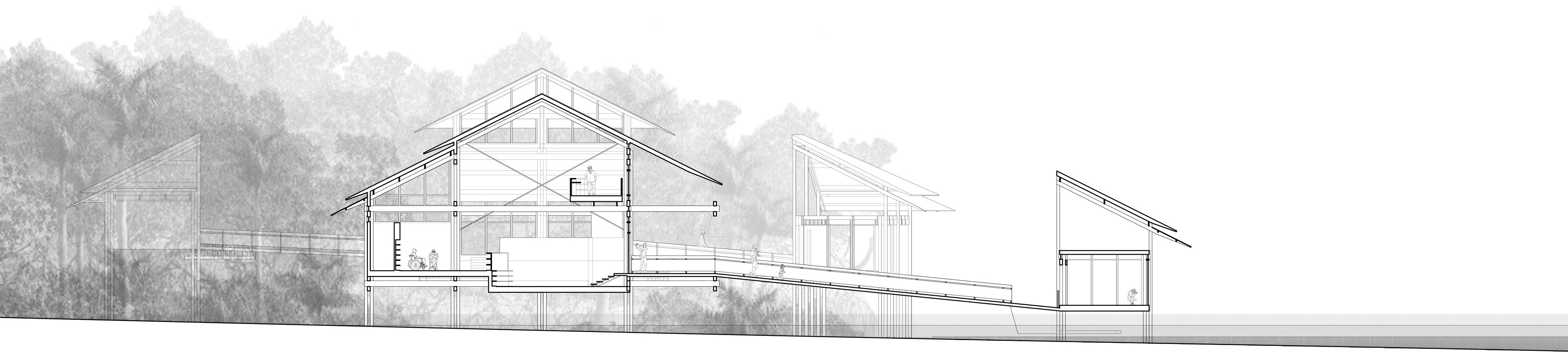
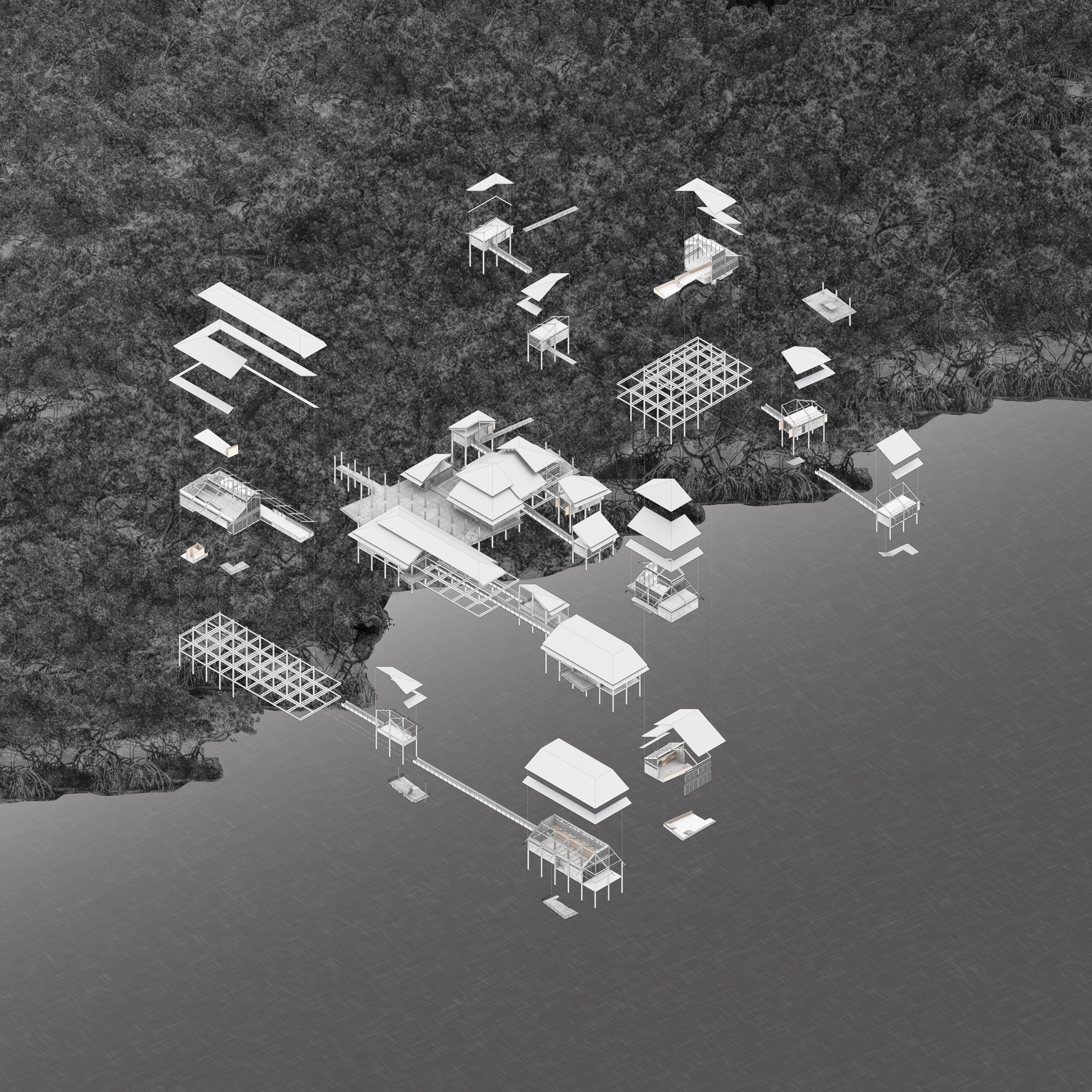
Tectonically, many of the building's components are doubled and slip past each other to echo the pulling and sliding that shaped the overall form. Calling to a trio of Yoruban warrior/protector deities, the building employs a steel structural frame, concrete floor slabs & walls made with a coconut aggregate, and steel tension cross bracing. The structural frame seeks to achieve a light presence while being strong enough to weather coming storms.
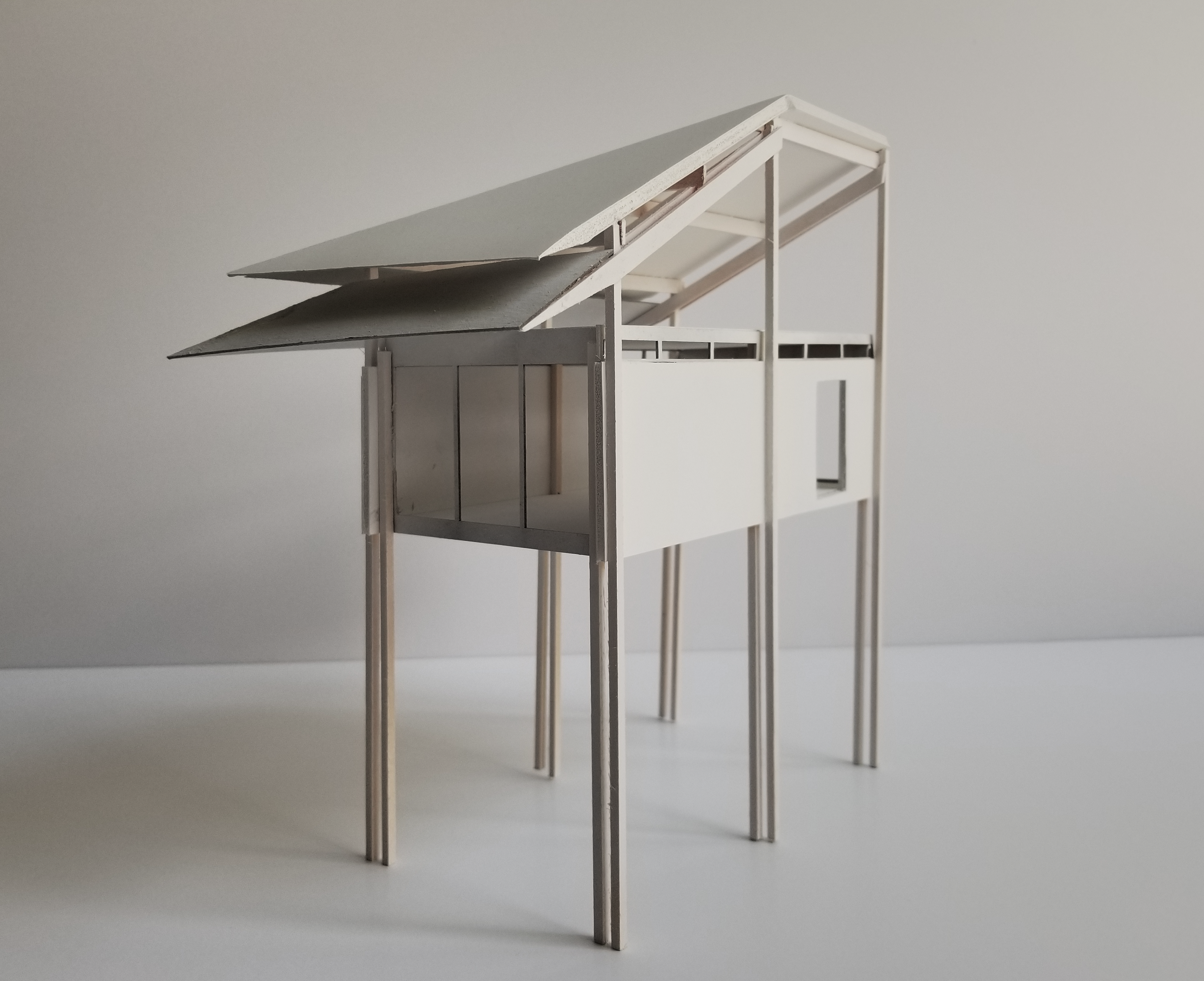
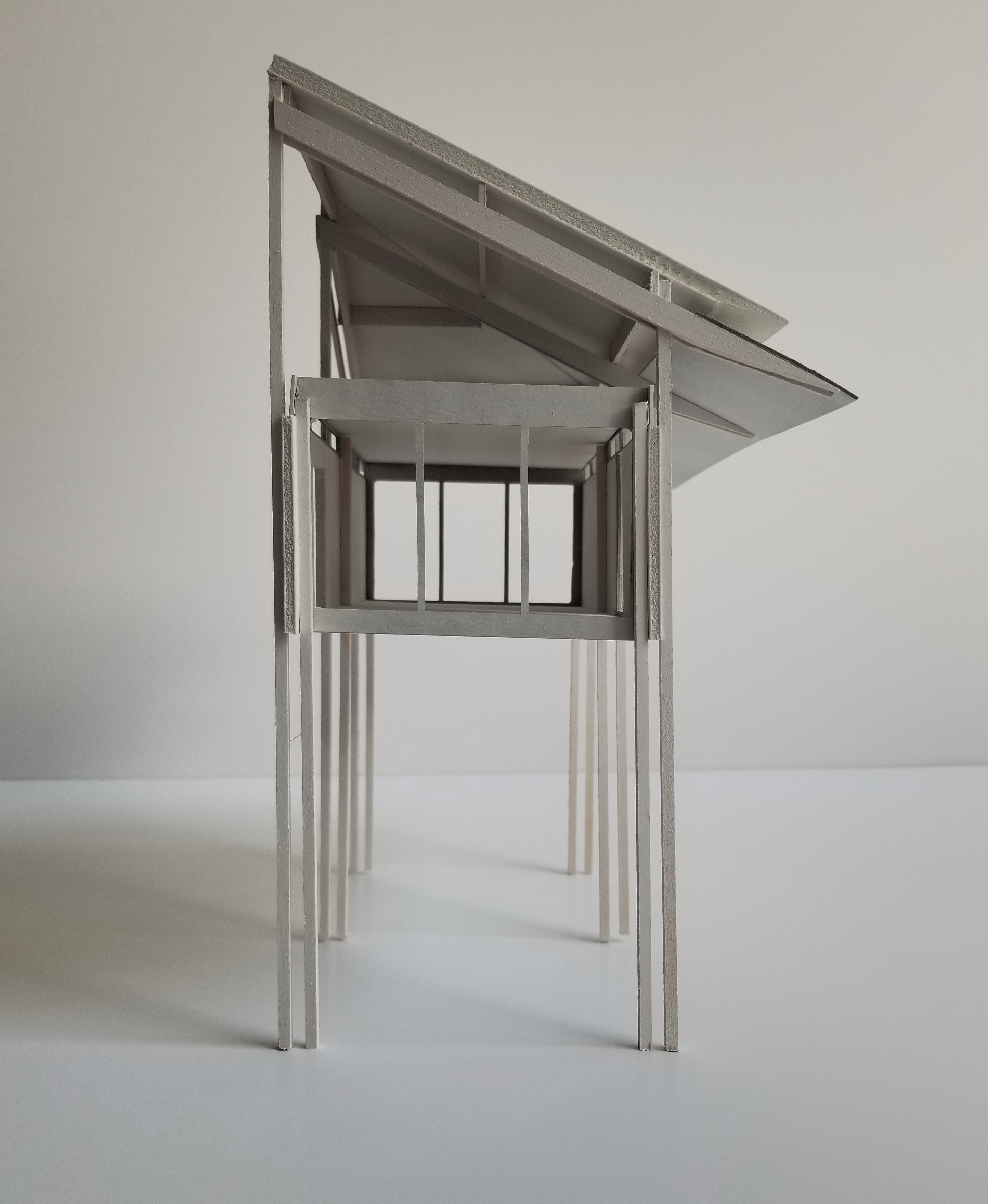
From the scale of the site to the detail, the Loiza Cultural Center responds to its context: its form, structure, and tectonics reflect subtle cultural references to the people of Loiza and move with the play between forest & water on the site.